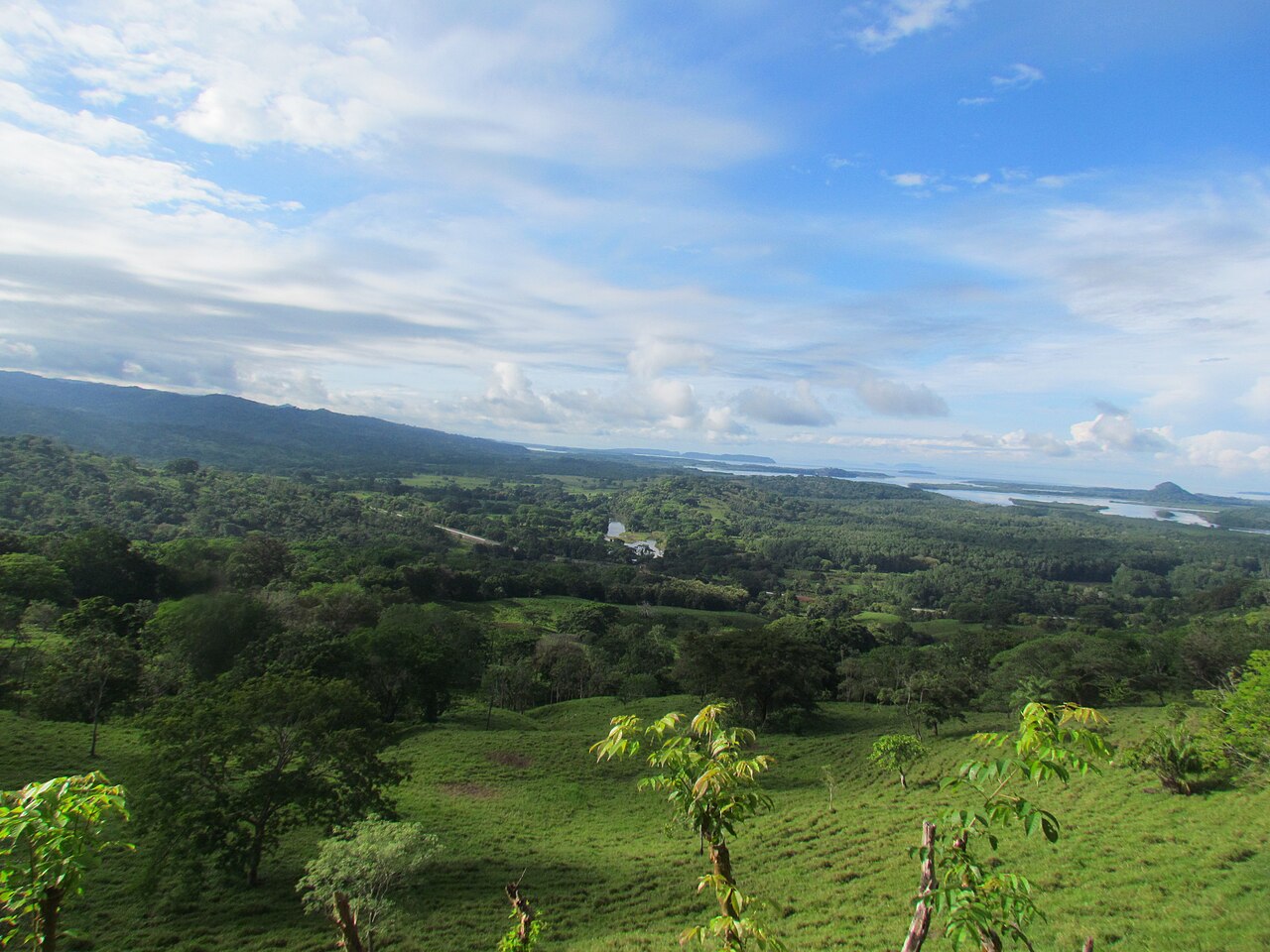
The Remedios–Tolé estuary in Chiriquí in September 2016. Regional illustration for the Puerto Barú environmental ruling; this is not the port project site. Credit: Dr. Ariel Rodríguez-Vargas / Wikimedia Commons / CC BY-SA 4.0. CC BY-SA 4.0. Photo source.
Panama's Supreme Court rejected one challenge to the environmental approval for the proposed Puerto Barú development in Chiriquí, while a separate lawsuit against the same approval remains pending, according to La Prensa.
The ruling concerns Resolution DEIA-IA-0003-2024, issued on January 16, 2024, approving the project's Category III environmental impact assessment. It should not be presented as a conclusion that every legal challenge to the port has ended.
The developer welcomed the October 26 decision. Director general Ismael González said the company would continue working within its environmental obligations and the applicable legal framework.
What the Puerto Barú environmental ruling addressed
La Prensa's account of the decision says the Supreme Court's Third Chamber found that the plaintiffs had not substantiated the legal infringements they alleged.
The challenge involved environmental organizations including CIAM, CEASPA, Adopta Bosque, FUNDICCEP, Panacetacea and Proyecto Primates. They had questioned the environmental assessment and the adequacy of the review process.
The report describes the court's consideration of the project's location and consultation record. The finding was made on the evidence before the court. It does not amount to an independently verified forecast of the port's eventual environmental effects.
A separate case brought by lawyers from Cornejo Robles y Asociados remains for the chamber to decide, La Prensa reported. The outcome of that proceeding is therefore an important outstanding development.
Developer's response and remaining reporting
In its October 26 statement, Puerto Barú said it respected the ruling and intended to continue the project under the requirements set by the authorities.
The company described the development as a roughly $250 million private investment intended to expand western Panama's logistics connections. That is the developer's estimate and stated purpose, not an independently audited project cost or a guarantee of economic results.
TVN also reported the company's commitment to comply with its environmental obligations. Its account of that response does not provide a separate assessment of the project's environmental merits.
A current response from the organizations that brought the challenge was not located. The complete judgment also remains to be inspected. The reporting reviewed does not establish whether the plaintiffs intend further action against this ruling.