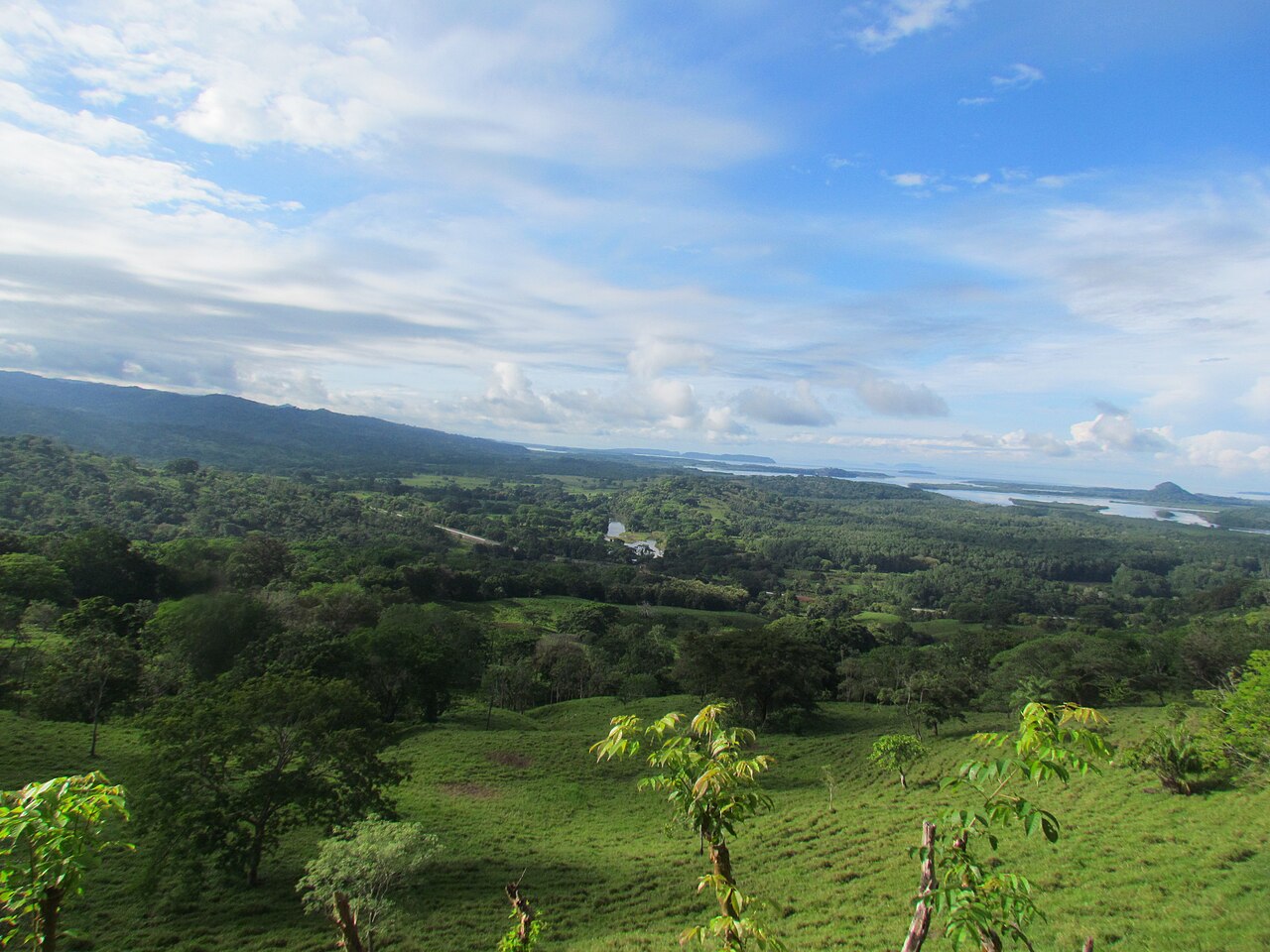
Mangroves and the estuary near Remedios and Tolé, Chiriquí, in September 2016. Archival regional illustration from outside the designated conservation area in Alanje, David and San Lorenzo. Credit: Dr. Ariel Rodríguez-Vargas / Wikimedia Commons / CC BY-SA 4.0. CC BY-SA 4.0. Photo source.
Panama's Environment Ministry has established boundaries for a 66,600-hectare managed conservation area covering mangroves and associated coastal waters in Alanje, David and San Lorenzo, according to TVN's October 27 report on a newly published resolution.
The area includes marine and terrestrial territory. Its total should not be described as 66,600 hectares of mangrove forest.
TVN identified the measure as Resolution DM-0670-2026, dated October 21. It said the rules combine the three districts' mangroves within one managed area and establish a 50-meter buffer without changing land ownership or existing lawful rights.
Chiriquí mangrove protection and fishing
The report says traditional artisanal fishing and collection of authorized species can continue subject to permits and environmental rules. A registry of traditional users is to be established within six months; registration would start the authorization process rather than itself constitute a permit.
The ministry would have 12 months to prepare and approve a management plan through a participatory process.
That distinction matters to coastal residents: protected status does not automatically mean every traditional activity is prohibited, but neither does historical use remove authorization requirements.
An existing conservation debate
The Environment Ministry explained in August that David's mangroves had municipal protection dating to 2007. It presented the boundary work as a way to conserve coastal ecosystems while maintaining sustainable traditional fishing.
Community objections also predate the final October resolution. Metro Libre reported on August 18 that fishing representatives and local business figures criticized the consultation process and feared harm to livelihoods. FENAPESCA president José Morales said consultation had been insufficient; fisheries authority representatives proposed an interagency technical discussion.
Those August positions cannot establish how the same groups view the final October text. A current response remains to be obtained.
The complete resolution and its mapped boundaries were not accessible during this review. The account of the new legal requirements therefore rests on TVN's reporting rather than an independent reading of the complete official instrument.